

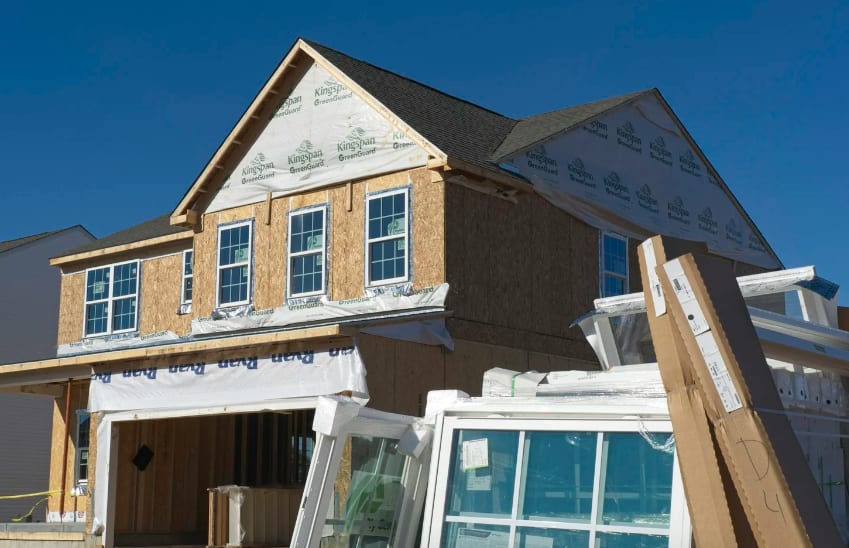

In Downey, California, the average price for a single-family home recently soared to $1,131,009 in Q2 2025, according to the Greater Downey Association of Realtors. Meanwhile, while some parts of California see price stabilization or slight declines, in Los Angeles County and surrounding regions, prices continue to climb.
This sharp uptick isn’t just a headline — it reflects deeper market dynamics that are shaping housing in hot metros across the U.S. Below I dive into the forces pushing home prices upward, risks to watch, and what lessons this holds for other regions.
High demand + constrained supply = upward pressure
In fast-growing metropolitan areas, demand from buyers is relentless, especially when inventory is low. Even modest increases in listings can’t keep pace with buyer interest, pushing prices higher. In Downey and the broader Los Angeles Area, the imbalance is especially acute: more buyers chasing fewer homes.
Ripple effects from nearby markets
Prices in neighboring areas feed into each other. As some parts of L.A. County rise, adjacent suburbs become more desirable, drawing demand outward. In June, the median price in L.A. County reached $903,650 — itself an increase that exerts pressure on regions like Downey.
Variations in price trends
While Downey is seeing strong gains, the statewide picture is more nuanced. In California as a whole, home prices have shown signs of flattening: the statewide median home price was $899,560 in June, down 0.1 % from May and from the previous year. This suggests that not all regions are experiencing the same upward momentum.
What this means for buyers, sellers & markets elsewhere
-
Buyers face more competition: In hot markets, buyers may need to act faster, be more flexible with conditions, or adjust budgets.
-
Sellers gain leverage: High prices can empower sellers to negotiate better terms or multiple offers.
-
Potential cooling risk: If interest rates, supply, or broader economic conditions shift, markets that surged may be vulnerable to pullback.
-
Benchmarks for emerging markets: Places that are “next in line” (satellite cities, commuting suburbs) should watch Downey and L.A. as leading indicators of what’s coming.
The surge in Downey — crossing the $1.13 million average — is a vivid illustration of how imbalances in supply, spillover demand, and regional dynamics converge to drive real estate trends. For markets elsewhere keen to anticipate change, this case offers both a roadmap and a caution: what climbs fast can be fragile if conditions shift.
If you like, I can tailor this to Spanish markets, or build charts/data comparing Downey with a Spanish or Latin American city to show parallels. Do you want that?
