

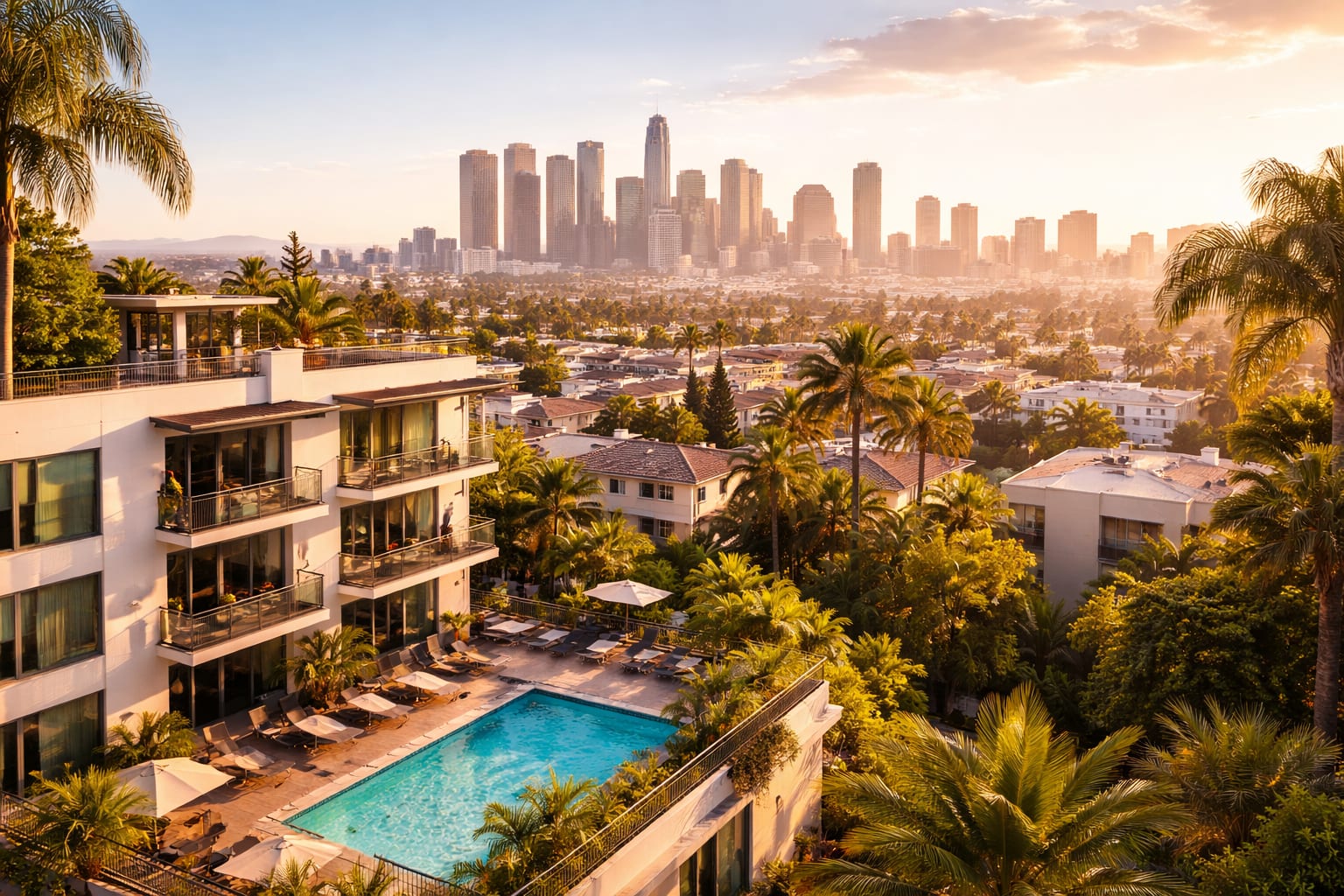

A new report highlights a clear contrast between California’s two largest metropolitan areas: while apartment rents in San Francisco continue to climb, Los Angeles is experiencing a noticeable slowdown — and in some segments, even declines. The divergence reflects shifting demand patterns, new supply entering the market, and broader economic adjustments across the state.
Recent data shows that rents in Los Angeles have softened compared to previous peaks, reaching some of their lowest levels in recent years. Meanwhile, San Francisco has seen renewed rental growth, driven in part by returning office activity and stronger demand for urban living. The difference underscores how local dynamics — not just statewide trends — shape housing markets.
In Los Angeles, several factors are contributing to the cooling rental environment. Increased apartment construction over the past few years has expanded inventory, giving renters more options. At the same time, higher overall living costs and economic uncertainty have made tenants more cautious, slowing the rapid rent increases seen during the post-pandemic rebound. More negotiating power has returned to renters, particularly in competitive multifamily markets.
This shift carries important implications beyond the rental sector. When rents stabilize or decline, some potential homebuyers may delay purchasing, especially if monthly rental costs feel more manageable than mortgage payments. On the other hand, softer rents can also signal broader market adjustments, offering insights into future demand trends for both rental and ownership housing.
While Los Angeles rents may be cooling for now, the region’s long-term fundamentals remain strong. Population size, job opportunities, and sustained housing demand continue to support the broader real estate market. The contrast with San Francisco serves as a reminder that real estate is deeply local — and understanding regional patterns is essential for navigating Southern California’s evolving housing landscape in 2026.
